Wu Cheng'en
Introduction
Wu Cheng'en (1504–1582) was a renowned Chinese novelist and poet of the Ming Dynasty (1368–1644). He is best known as the author of Journey to the West, one of the Four Great Classical Novels of Chinese literature. This monumental work has had a profound influence on Chinese culture and has inspired countless adaptations in literature, theater, film, television, and other art forms.
Early Life and Background
Wu Cheng'en was born in Huaian, Jiangsu province, in a region known for its rich cultural and literary traditions. Huaian, which also boasts a history of producing notable historical figures, is home to the famous Huaguo Mountain, believed to be the mythical birthplace of Sun Wukong, the Monkey King, the central character in Journey to the West. Wu's upbringing in this culturally vibrant area likely influenced his literary imagination and his fascination with folklore and mythology.
Although Wu Cheng'en's life is not well-documented, he is believed to have been a scholar who passed the imperial examinations at a young age. However, his career in government service was reportedly unremarkable, and he eventually retired to focus on his literary pursuits. Wu's deep knowledge of Chinese folklore, mythology, and Buddhist and Taoist traditions is evident in his writings.
Journey to the West
Journey to the West is Wu Cheng'en's magnum opus and one of the most celebrated works in Chinese literature. Written in the 16th century, the novel is a fictionalized account of the historical Buddhist monk Xuanzang's pilgrimage to India in the 7th century to obtain sacred Buddhist scriptures. The story blends elements of history, mythology, religion, and folklore, creating a richly imaginative narrative.
The novel follows the journey of Xuanzang, who is accompanied by three disciples: Sun Wukong (the Monkey King), Zhu Bajie (Pigsy), and Sha Wujing (Sandy). Each disciple possesses unique supernatural abilities and represents different aspects of human nature. Together, they face numerous trials and tribulations, including encounters with demons, monsters, and deities, as they strive to fulfill their sacred mission.
The story explores themes of perseverance, redemption, loyalty, and spiritual enlightenment. It also reflects the interplay between Buddhist, Taoist, and Confucian philosophies, offering insights into the moral and spiritual values of Ming Dynasty China.
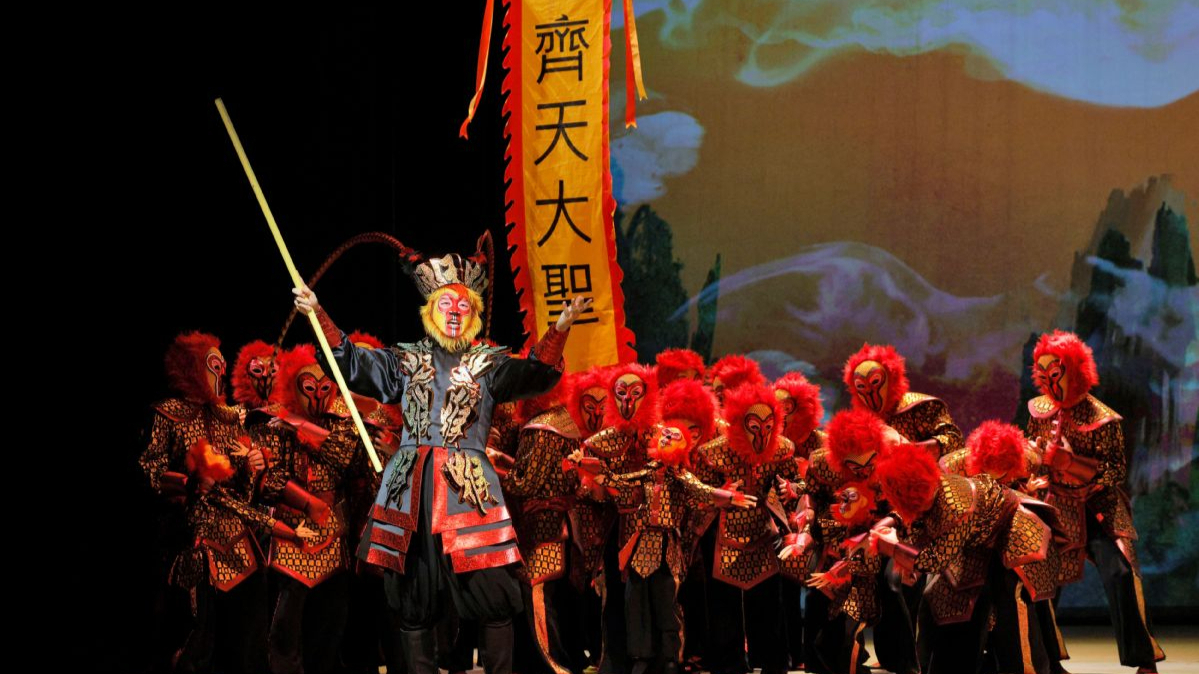
Journey to the West has had an enduring legacy in Chinese culture and beyond. The character of Sun Wukong, the mischievous and powerful Monkey King, has become a cultural icon, symbolizing rebellion, ingenuity, and resilience. The novel's rich narrative has inspired countless adaptations, including Peking Opera performances, animated films, television series, and video games.
Notable adaptations include the 1986 Chinese television series Journey to the West, which remains a beloved classic, and the 2024 video game Black Myth: Wukong, which has garnered international acclaim for its stunning visuals and innovative gameplay.
Other Works and Legacy
In addition to Journey to the West, Wu Cheng'en is credited with writing poetry and other literary works, though these are less well-known. His contributions to Chinese literature have earned him a place among the most influential writers in history.
Wu's hometown of Huaian has embraced his legacy, with attractions such as the Wu Cheng'en Memorial Hall celebrating his life and work. The region's cultural and historical significance continues to draw visitors and scholars interested in exploring the roots of Journey to the West.
Influence on Modern Art and Media
Wu Cheng'en's Journey to the West has inspired a wide range of artistic and cultural expressions in modern times:
Theater and Dance: The novel has been adapted into numerous theatrical productions, including traditional Peking Opera performances and contemporary dance dramas. For example, choreographer Wang Yabin collaborated with French composer Laurent Petitgirard to create a dance drama based on the novel, blending traditional Chinese elements with modern artistic techniques.
Film and Television: The Monkey King and other characters from Journey to the West have appeared in countless films and TV series, both in China and internationally. The 1986 television adaptation remains a cultural touchstone, while recent productions, such as the San Francisco Opera's The Monkey King, have introduced the story to new audiences.
Video Games: The 2024 video game Black Myth: Wukong has brought the story to a global audience, combining cutting-edge technology with the rich mythology of Journey to the West. The game's success highlights the novel's continued relevance and adaptability.
Cultural Festivals: Events such as the Wuzhen Theater Festival and the Guilin Festival have featured performances and adaptations of Journey to the West, celebrating its enduring influence on Chinese performing arts.








